Why B2B buying in the Gulf still runs on phone calls
Restaurants, cafés and hotels buy hundreds of supplies every month, yet most of it still happens over calls and chat. Why, and what changes it.
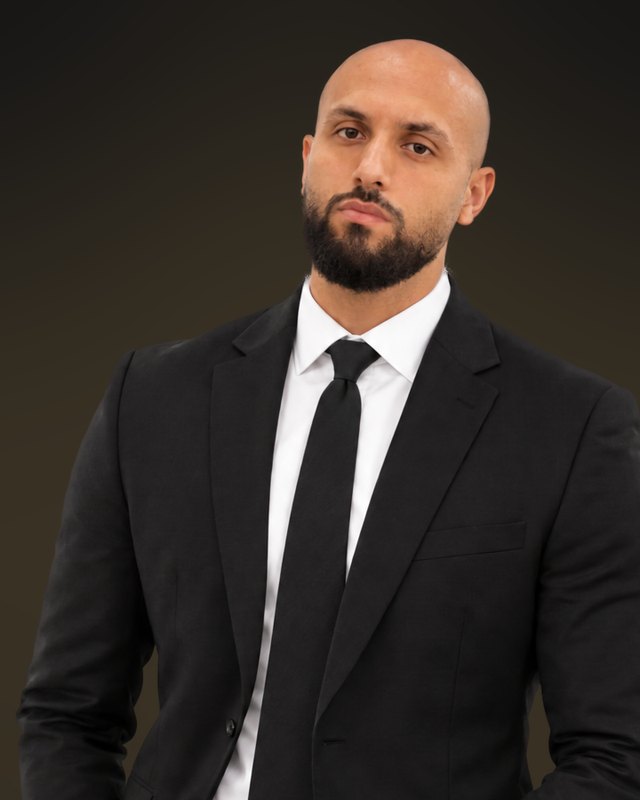 Ahmed Elgammal · 17 November 2026 · 6 min read
Ask a restaurant manager in Dubai how they bought their takeaway boxes last month, and the answer is rarely a website. It is a phone number saved years ago, a chat thread with a sales representative, a price that was agreed once and never checked again.
I spent years on both sides of that conversation: selling on the shop floor, closing deals over the phone and managing a sales team. The pattern was the same everywhere. Business buying in our region is still built on personal contacts. That works, until it doesn't.
Why the phone survives
The phone survives because it solves a real problem: trust. When you buy for a business, a wrong delivery costs you a busy night, and an unreliable supplier costs you customers. So buyers stay with the people they know, even when the price is no longer the best one.
Suppliers live with the other half of the problem. Their sales teams spend their days visiting and calling, and a good share of that effort goes to buyers who are not ready to order. Quotes get lost in long chat threads. Payments are chased for weeks.
The phone is not the problem. It is the workaround for a missing layer of trust.
What actually changes behaviour
Moving the same conversation onto a website does not change much. What changes behaviour is when the system itself carries the trust that used to depend on knowing someone:
- Verification on both sides. The buyer knows the supplier holds a valid trade licence; the supplier knows the request comes from a real business.
- Official quotes, not messages. Price, quantity and delivery in one document that both sides can compare and keep.
- Protected payment. The buyer pays once, the money is held until delivery, and the supplier is paid on a clear schedule.
- A record of everything. Every order, invoice and shipping document saved where the accountant can find it.
Where we are taking it
This is the layer we are building with DEPORI. Not another catalogue, but a place where trust is part of the process, so that a café can order from a supplier it has never met and both sides sleep well that night.
The phone will not disappear. But it should be the place for relationships, not for chasing quotes and payments.
Ahmed Elgammal is the founder and CEO of Deportivo General Trading and DEPORI in Abu Dhabi. Read his story.